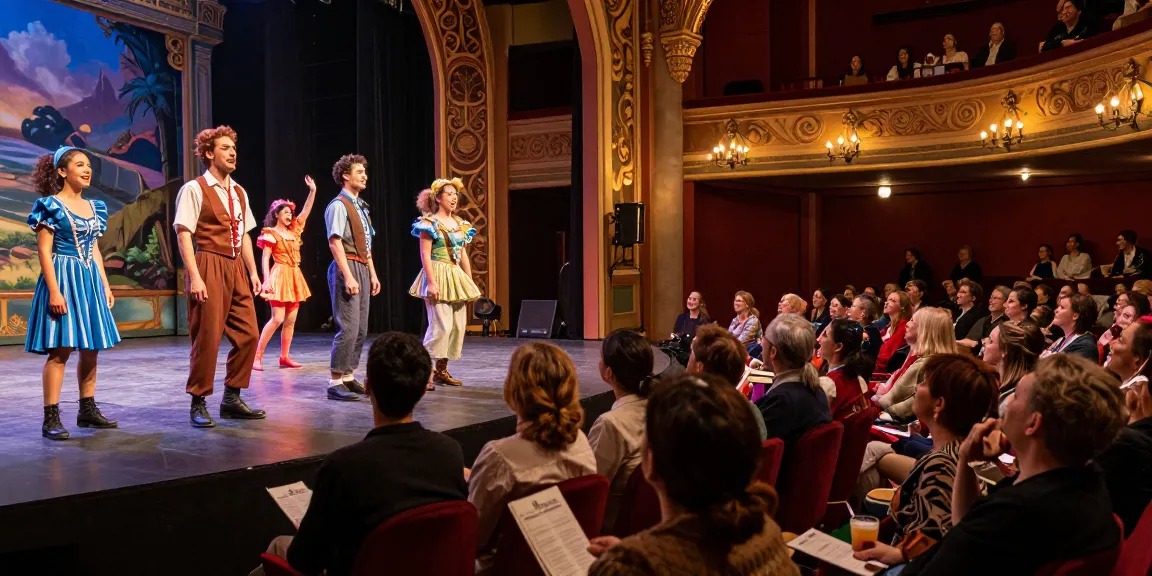
The Evolution of Modern Theatre: A Historical Perspective
The world of theatre has undergone significant transformations over the centuries, evolving from its classical roots to embrace contemporary expressions that resonate with international audiences. Theatre has always been a reflection of cultural shifts and societal changes, making it a vital component of modern entertainment and art. In this exploration, we delve into the timeline of theatre's evolution, the impact of technology, and how the digital landscape has forced adaptations within the industry. A pivotal element for many modern theatre enthusiasts is the rokok88 login, which provides access to invaluable resources and information about contemporary performances and cultural trends.
From Classical Roots to Contemporary Expressions
Modern theatre traces its roots back to ancient civilizations, where performances were closely tied to religious and cultural rituals. The Greeks, in particular, laid the foundation with their sophisticated storytelling, dramatic structures, and characterization. As time progressed, theatre adapted to reflect changing social values. The Renaissance rekindled interest in classical forms, leading to the proliferation of dramatic literature and the emergence of iconic playwrights such as Shakespeare.
The 20th century introduced revolutionary movements like realism, absurdism, and postmodernism, which challenged traditional narratives and theatrical conventions. These developments paved the way for more avant-garde performances, blending various art forms and promoting more interactive audience experiences.
The Impact of Technology on Theatre Production
Technology has been a game-changer for theatre production, enhancing both the creative process and audience engagement. Initially, technology influenced the way performances were staged, with advancements in lighting and sound design creating more immersive experiences. The introduction of digital media allowed designers to incorporate projections and visual effects, pushing the boundaries of what is possible on stage.
Moreover, the use of social media platforms has transformed marketing strategies, allowing theatre companies to reach wider audiences and engage with them in real-time. This shift towards a more interconnected experience has not only increased ticket sales but has also made theatre more accessible to individuals who may have previously felt disconnected from the arts.
Adapting Theatre for a Digital Audience
As audiences increasingly consume entertainment via digital platforms, theatre has had to adapt its offerings accordingly. Virtual performances have surged, particularly in response to the COVID-19 pandemic, when live performances were halted. These digital adaptations not only preserved the continuity of theatre but also introduced new formats, such as live-streamed shows and interactive online experiences.
This shift emphasizes the importance of tech-savvy audience engagement and the necessity for theatre professionals to incorporate digital literacy into their skill sets. As the line between digital and live performances blurs, the ability to navigate both realms will be crucial for future productions.
Understanding the Role of Cultural Trends in Theatre
Theatre reflects societal values and trends, serving as a mirror to the cultural zeitgeist. This section explores how contemporary cultural shifts influence performance art, the interplay between global culture and local narratives, and successful case studies revealing the dynamic nature of modern theatre.
How Societal Changes Influence Performance Art
Every era of theatre has been shaped by its socio-political environment. Contemporary issues such as climate change, social justice, and identity politics have found their way into scripts, prompting compelling conversations among audiences. Theatre acts as a driving force for change, challenging norms and sparking dialogue through thought-provoking narratives.
Recent productions tackling these themes have seen increased audience engagement, as they resonate deeply with today’s viewers, fostering a sense of community and shared experience. The work of organizations advocating for diverse and inclusive storytelling amplifies underrepresented voices, further enriching the theatrical landscape.
Global Culture and Local Narratives in Modern Plays
The beauty of modern theatre lies in its ability to weave global narratives with local stories, creating a rich tapestry of human experience. Multi-cultural productions showcase the fusion of various artistic traditions, inviting audiences to explore different perspectives while fostering cross-cultural understanding.
By spotlighting local issues within a global context, plays become platforms for cultural exchange, engaging audiences in a dialogue that transcends geographical boundaries. These stories reflect the universal human experience, addressing shared struggles and aspirations.
Case Studies of Successful Contemporary Productions
Many contemporary productions have successfully captured the essence of modern culture. For example, Lin-Manuel Miranda's "Hamilton" revolutionized the traditional musical format by blending hip-hop with historical narratives, making American history accessible to a new generation.
Additionally, plays like "The Vagina Monologues" and "Sweat" have sparked conversations around feminism and working-class struggles, exemplifying how theatre can serve as a platform for advocacy. These case studies illustrate the potential for theatre to influence societal norms and foster a deeper understanding of complex issues.
Engaging Audiences: Marketing Strategies for Modern Theatre
In an age where attention spans are diminishing, theatre companies must adopt innovative marketing strategies to captivate audiences. This section discusses effective approaches for audience engagement through social media, targeted content, and initiatives to attract younger demographics.
Utilizing Social Media for Audience Connection
Social media has transformed the way theatres connect with their audiences. Platforms like Instagram and Twitter offer unique opportunities for real-time interaction, allowing companies to share behind-the-scenes content, engage in conversation, and promote upcoming shows. Utilizing these platforms effectively can build anticipation and create a strong sense of community among theatre-goers.
Additionally, social media challenges and campaigns have proven effective in generating buzz and generating user-generated content that further promotes productions.
Targeting Diverse Demographics with Tailored Content
Understanding the diverse demographics of audiences is critical in today’s theatre landscape. Tailoring marketing content to resonate with specific audiences not only improves engagement but also attracts underserved communities.
By showcasing diversity within casts and stories, theatres can appeal to a wider range of patrons, ensuring inclusivity and representation across productions.
Innovative Approaches to Attracting Younger Audiences
Engaging younger audiences necessitates a departure from traditional marketing methods. Incorporating technology, such as interactive apps or gamified experiences, can enhance the theatre-going experience. Collaborations with popular influencers or creating themed events can also provide fresh avenues for drawing in millennials and Gen Z.
Establishing a loyalty program or offering student discounts can further incentivize younger audiences, fostering a lifelong love for theatre and the arts.
The Future of Theatre: Predictions for 2026
As we look towards 2026, several emerging trends and technologies will shape the future of theatre. This section explores the potential impact of these innovations on theatrical performances and the evolving relationship between live and digital experiences.
Emerging Technologies and Their Impact on Performances
As technology continues to advance, it will inevitably influence the way stories are told on stage. Virtual reality (VR) and augmented reality (AR) are set to redefine audience interaction, offering immersive theatrical experiences that extend beyond the traditional proscenium arch. Productions that incorporate these technologies will not only enhance storytelling but also create unique memories for audiences, promoting repeat engagement.
Furthermore, artificial intelligence (AI) in scriptwriting and design could streamline the creative process, allowing for more dynamic storytelling possibilities and experimentation.
New Forms of Interactivity in Theatre Experiences
Interactivity will play an increasingly significant role in theatre as productions seek to engage audiences in meaningful ways. From interactive performances to choose-your-own-adventure styles, audience participation will become a crucial element of live shows. This trend caters to an evolving audience expectation for engagement and personalization, enriching the theatrical experience.
The Role of Streaming and Digital Platforms in Theatre
The rise of streaming services has already altered the landscape of entertainment, and theatre is no exception. Live-streaming performances or creating on-demand content allows theatres to reach wider audiences while providing access to those unable to attend in person. The successful blending of live and digital offerings will likely continue as theatres strive to maintain relevance in a competitive market.
Building Community Through Theatre
Engaging and supporting local arts communities is fundamental to the sustainable growth of theatre. In this section, we discuss strategies for fostering local engagement and the importance of collaborations between theatre and other art forms.
Strategies for Fostering Local Arts Engagement
Building community through theatre requires active engagement with local audiences. Initiatives such as community workshops, educational programs, and outreach efforts can help cultivate a rich and diverse audience base. Partnering with schools and organizations can also facilitate access to the arts, inspiring the next generation of theatre lovers.
Collaborations Between Theatre and Other Art Forms
Interdisciplinary collaborations can breathe new life into theatrical productions. By partnering with visual artists, musicians, dancers, and filmmakers, theatre companies can create innovative performances that break down traditional genre barriers. These collaborations foster creativity and provide audiences with unique experiences that showcase the interconnectedness of the arts.
Volunteering and Community Support in the Arts
Community involvement is vital for the sustainability of local theatre. Volunteering opportunities not only provide necessary support for productions but also allow individuals to gain insights into the workings of theatre. Fostering an environment where community members feel valued and engaged creates a sense of ownership and pride in local arts.